The story behind the second key
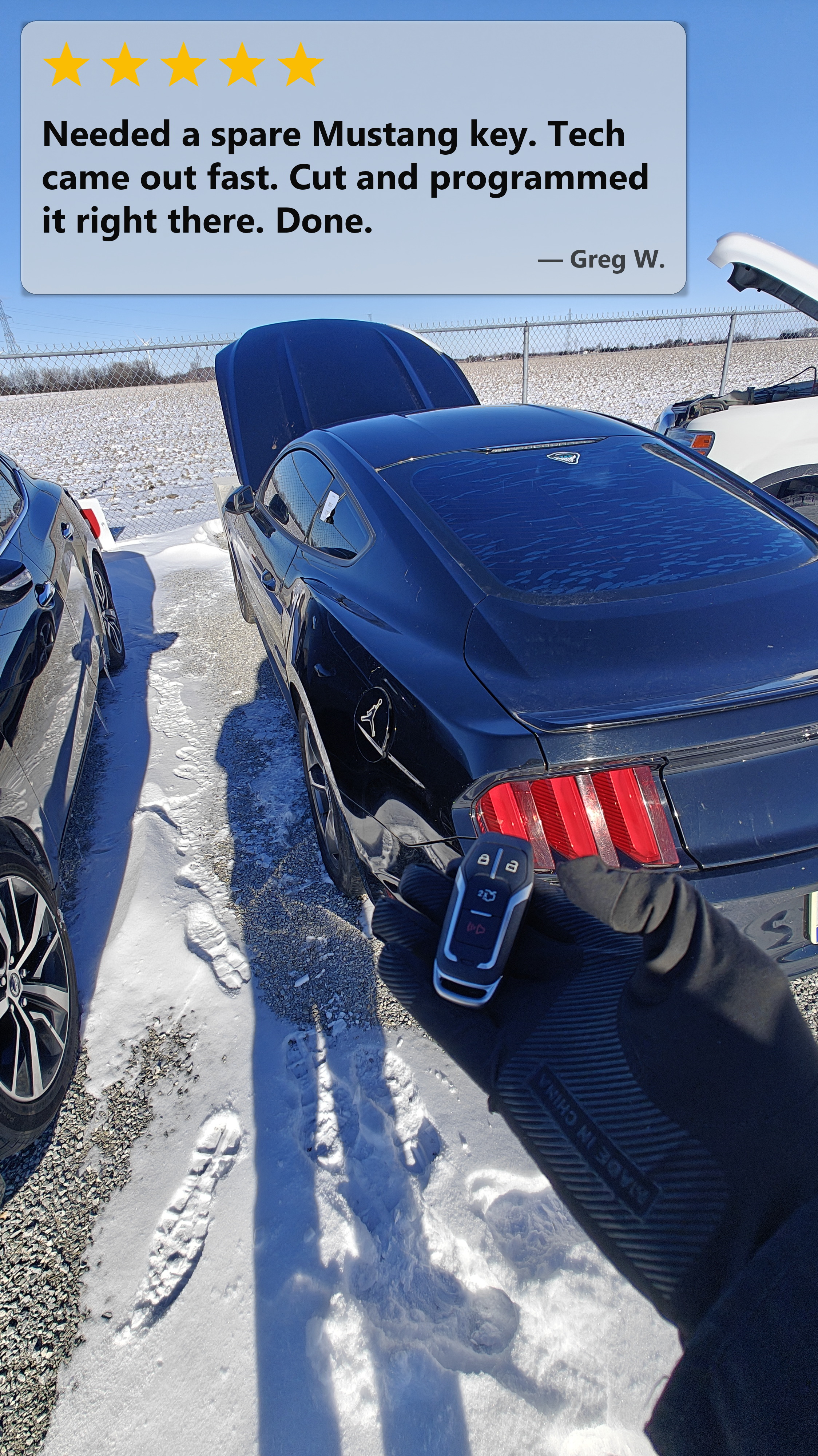
A black sixth-generation Ford Mustang sat in a cleared lot near the Roseland Golf and Curling Club on the south side of Windsor, hood up, snow on the ground, while a spare smart key was cut and programmed beside it. One working key in the household, no incidents, no lockout. The owner just wanted a second key before winter turned a misplaced fob into a bigger problem than it needed to be.
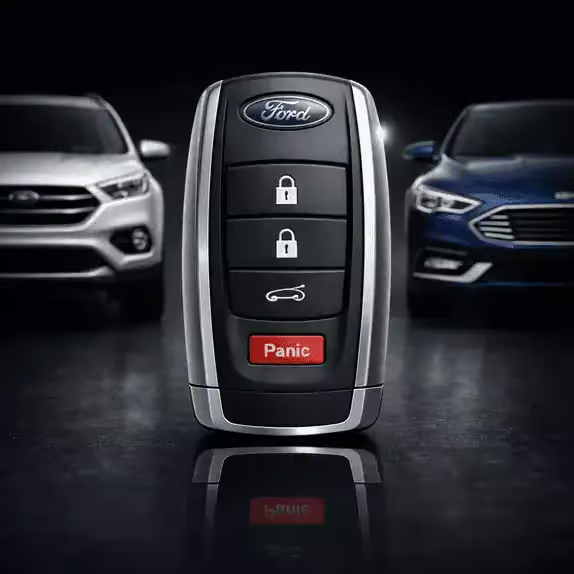
A single mobile visit to the parking spot, on-site programming, and the Mustang left with two fully working keys: the original plus an OEM-equivalent five-button smart proximity fob, the mechanical backup blade cut to the door code, and the new fob enrolled into the car's anti-theft system through the proper security channel. The whole job finished where the car was parked.
From the Google Business Profile update
The image below is the actual photo Canadian Locksmiths posted to its Google Business Profile after the appointment. The short customer note on the embedded card reads:
★★★★★
"Needed a spare Mustang key. Tech came out fast. Cut and programmed it right there. Done."
Shared by Greg W. on the Canadian Locksmiths Google Business Profile
Vehicle and module specifics
The car covered in this post is the sixth-generation Ford Mustang, the S550 platform code that ran from 2015 through 2023. The job here is a 2015 to 2017 build, which matters for the mechanical blade in a way explained further down. On the trims that ship with push-button start, the fob is a five-button smart proximity key tied to Ford's Passive Entry Passive Start system, and the anti-theft enrolment runs through the Body Control Module.
| Detail | Specification |
|---|---|
| Platform | Sixth-generation Mustang, S550 platform code |
| Model years covered on-site | 2015, 2016, 2017 (HU101 blade window) |
| Trim coverage | EcoBoost Premium, GT Premium, EcoBoost and GT Premium Convertible |
| Fob style | Five-button smart proximity, passive entry, push-button start |
| Button layout | Lock, unlock, trunk, panic, remote start |
| FCC ID | M3N-A2C931426 / M3N-A2C931423 |
| Ford part numbers | 164-R8xxx family (PEPS five-button) |
| Immobilizer system | PATS / PEPS enrolled through the BCM over OBD-II |
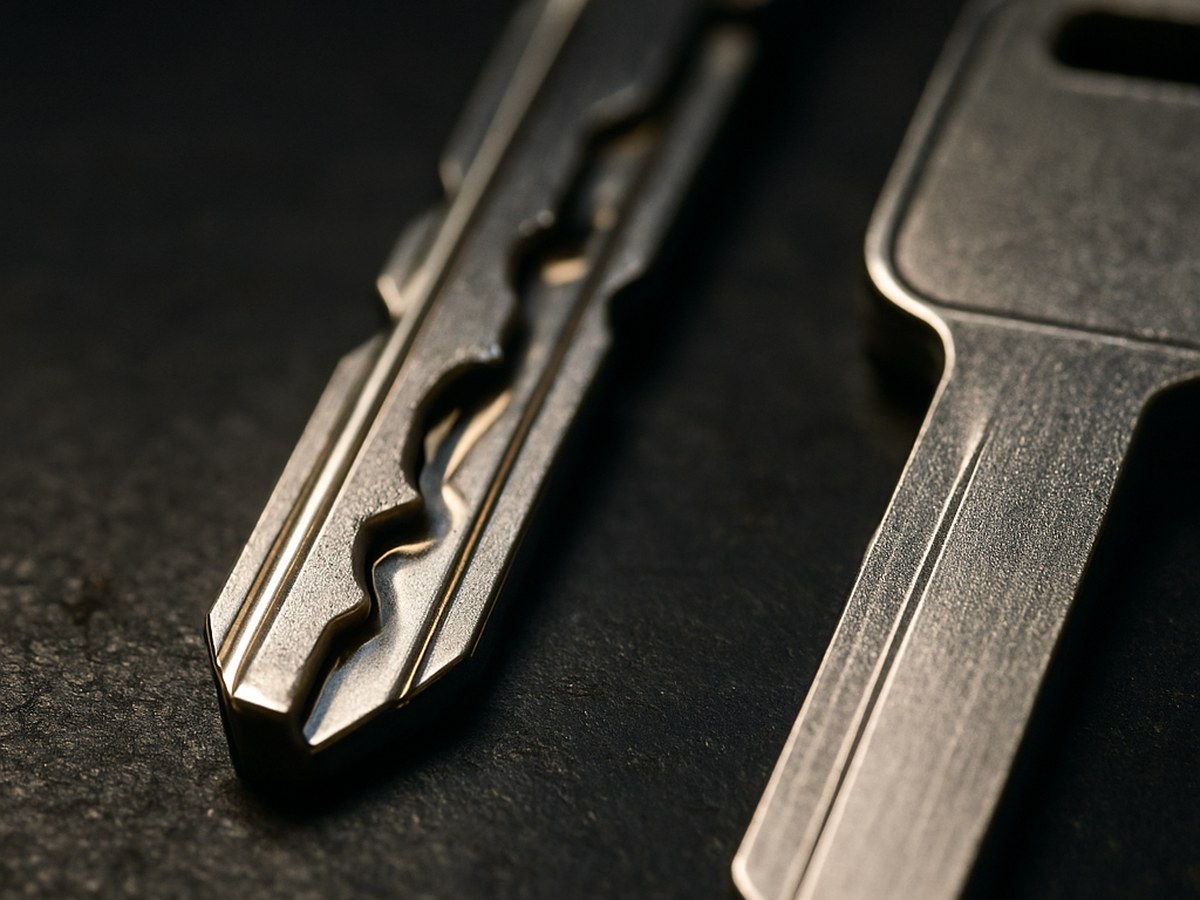
| Mechanical blade | HU101 high-security, cut on the Lishi FORD HU101 V2 (HU101D blank) |
| Fob battery | CR2450 |
The "S550" label is a chassis and platform code, the same kind of internal designation that named the 2005 to 2014 car the S197 and the 2024 car the S650. It is not a trim Ford prints on the badge, and it should not be confused with the unrelated Mercedes-Benz S550 sedan that shares the same letters and numbers. On the Mustang it simply identifies the sixth-generation chassis, and on the push-button-start cars that chassis carries the PEPS smart-key hardware described here.
Tools used on this job
| Stage | Tool |
|---|---|
| Door lock decode (when no key code on file) | Lishi FORD HU101 V2 (HU101 keyway, HU101D blank) |
| Blade cutting | Triton PLUS Automotive Edition (Lock Labs), cut to the door code |
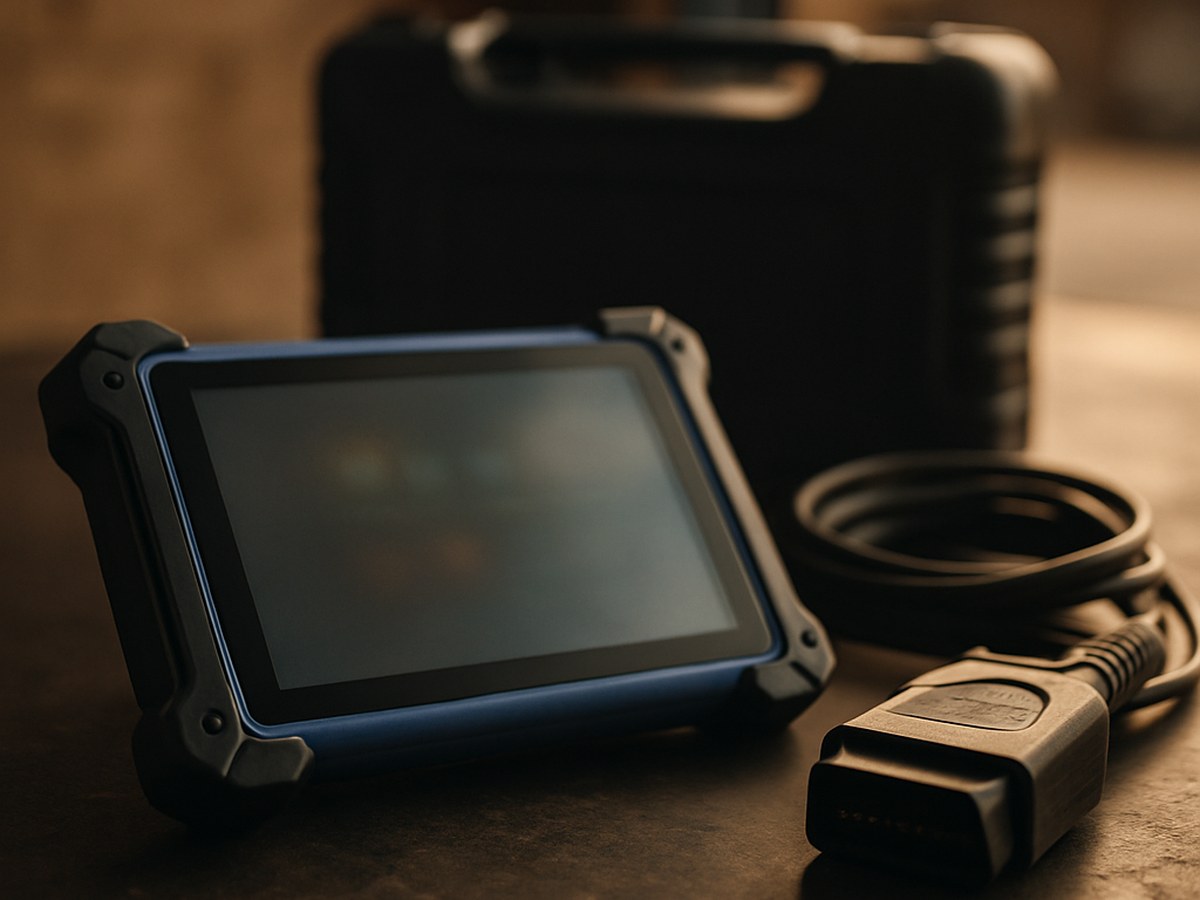
| Smart key pairing | Autel IM608 Pro with Ford incode/outcode key learning over OBD-II |
| Security access | NASTF Vehicle Security Professional (VSP) channel for the incode authorization |
| Module / all-keys-lost path (when needed) | Opus IVS CarDAQ-Plus 3 (J2534) running Ford FDRS |
| Verification | Push-button start, passive entry walk-around, remote and trunk range test |
The part that separates a real Ford key job from a parking-lot promise is the security handshake. Ford's PATS and PEPS systems do not let a tool drop a key into the immobilizer on demand. The Body Control Module hands out a challenge value, the outcode, and the tool has to return the matching response, the incode, before the car will open a key-learning window at all. On this spare-key visit the new fob was enrolled with the Autel IM608 Pro through that incode/outcode exchange over OBD-II, with the incode pulled through the NASTF VSP channel rather than guessed or bypassed. For deeper module work and all-keys-lost recovery, Canadian Locksmiths runs the dealer-equivalent stack: an Opus IVS CarDAQ-Plus 3 pass-through driving Ford FDRS, the same software-and-hardware combination the dealer uses, run from a mobile-van laptop.
What gets done on the appointment
The high-level sequence the technician follows for a Mustang spare smart key:
- Confirm vehicle details. Read the VIN at the dash and the door jamb, note the model year and trim, and confirm one working fob is present. Quote the spare rate against the verified fob part number and FCC ID.
- Cut the mechanical backup blade. If the door code is on file, the blade is cut to code on the Triton PLUS. If not, the technician decodes the driver door cylinder on the Lishi FORD HU101 V2 first, then cuts the HU101 blank.
- Read the outcode. With the Autel IM608 Pro connected over OBD-II, the BCM is queried for the PATS/PEPS challenge value.
- Retrieve the incode and pair the fob. The matching incode is obtained through the NASTF VSP channel, the key-learning window is opened, and the new smart key is enrolled into the BCM alongside the original.
- Verify everything. The technician confirms push-button start, walks all doors for passive entry, then range-tests remote lock, unlock, trunk release, panic, and factory remote start.
- Hand off. The original key stays fully functional. The new fob is handed over with the cut blade seated in its mechanical backup slot.
Troubleshooting common Mustang key issues
These are the calls Canadian Locksmiths handles from sixth-generation Mustang owners who tried a budget option first.
- The new fob unlocks the doors but the car will not start. The remote side was learned while the immobilizer side was never enrolled, usually because the shop could not complete the incode/outcode handshake. Remote keyless entry and the PATS transponder are separate learn steps. Completing the BCM enrolment with a valid incode finishes the start side.
- A budget tool reported success, then the dash showed a theft-light flash. Forcing the process without a clean incode leaves the PATS system unsatisfied. The blinking theft indicator at key-on is the BCM saying the key it sees is not one it trusts. Enrolling the fob properly clears it.
- Remote start works from the original key but not the new one. Factory remote start on the Mustang is gated by a configuration setting and by all required keys being enrolled. A fob that is a revision off, or one paired without the remote-start parameter active, will start and lock the car but ignore the remote-start press.
- Passive entry works on one door only. A proximity antenna is unplugged at the harness or was disabled in configuration after a door or module service. Reading the BCM and body configuration exposes the conflict quickly.
Insider notes most owners never hear
The Ford PATS and PEPS world is one of the more misunderstood corners of consumer key work. The notes below are the technical reality from inside the job, not the marketing version. Senior Ford field technicians will recognize all of these.
1. incode/outcode is a real lock, not a formality
Ford key learning is a challenge-response exchange. The car generates an outcode, a one-time challenge tied to that vehicle and that session, and the tool must return the correct incode before the Body Control Module will allow a key to be enrolled. There is no offline trick that produces a valid incode for a modern PATS car. A tool that cannot obtain one cannot program a key, full stop, which is exactly why a promise of any Ford, any time, at a number well below the market does not add up.
2. The incode is what NASTF VSP credentials unlock
Obtaining the incode is gated. The legitimate path runs through the NASTF Vehicle Security Professional (VSP) channel, a North American registry that vets locksmiths and gives credentialed professionals manufacturer-authorized access to security data against a specific VIN. Canadian Locksmiths holds active NASTF VSP credentials. A shop without that registration is left guessing or chasing grey-market workarounds, neither of which belongs on a customer's vehicle.
3. PATS and PEPS are two layers, not one
PATS is the immobilizer, the transponder check that decides whether the engine is allowed to run. PEPS, Passive Entry Passive Start, is the proximity layer that lets the car detect the fob in a pocket and start at the push of a button. A smart key has to satisfy both. A fob that is enrolled for one and not the other is the source of most half-working keys, the doors that unlock on a key that will not start the car.
4. The HU101 blade window ends mid-generation
Here is the trap that catches mail-order keys. The sixth-generation Mustang did not keep one keyway. The 2015 to 2017 cars use the HU101 high-security blade, cut on the Lishi FORD HU101 V2 with an HU101D blank. From 2018 the Mustang switched to the HU198 keyway, cut on the Lishi FORD HU198-5. Order an HU101 blade for a 2018 or newer car and it will not enter the lock. Canadian Locksmiths confirms the year and the blade window against the VIN before any blank is cut, which is why the keyway is matched to the car rather than to the generation.
5. Why the budget online fob so often fails
The five-button proximity fob listings online look identical, but the M3N-A2C931426 and M3N-A2C931423 families span board and firmware revisions, and not every listing matches the car. A fob that is a revision off will frequently pair for the remote buttons and then fail the PATS or PEPS enrolment, leaving an owner with a fob that locks the doors but will not start the engine. Confirming the fob revision against the VIN before anything is cut or paired is the single step that prevents that outcome.
6. Spare key versus all-keys-lost is a different job
With one working fob present, the BCM already trusts an existing key and the new fob drops in through a standard add with a single incode. With zero working keys, the car has to be taken into a locked state recovery: the security access is deeper, the timing is stricter, and on many cars a module routine is needed to seat a first key. That all-keys-lost path is where Canadian Locksmiths runs the dealer-equivalent stack, the Opus IVS CarDAQ-Plus 3 pass-through driving Ford FDRS, paired with NASTF VSP authorization. It is the same software and the same class of hardware the dealer uses.
7. The CR2450 is not the common coin cell
The sixth-generation smart fob runs a CR2450, a wider, higher-capacity coin cell than the CR2032 found in many older remotes. Drop a CR2032 into the holder because it was the battery on hand and the fob may seem fine on the bench, then drop passive entry at range or behave erratically in the cold. The correct cell matters, and a fresh CR2450 goes into the new fob before it leaves the appointment.
8. Voltage discipline during the write window
A key-programming session keeps the network awake far longer than a normal key-off, and the BCM is mid-conversation with the immobilizer. If the battery is marginal, the 12V rail can sag during the incode write and the enrolment can abort partway through. Canadian Locksmiths clamps a battery support unit rated for at least 25 amps continuous, a CTEK PRO25S or a Schumacher INC-25A, to the jump points for the full visit so the rail never drops during the write.
9. A used fob carries its old binding
A fob pulled from another Mustang still holds the binding to its previous car. Dropping it into a different vehicle without clearing that state throws a mismatch and the PATS system rejects it. Some salvage fobs arrive pre-cleared, most do not. Sorting whether a used fob can be re-seated, and clearing the old binding when it can, is what separates a used fob that actually works from one a customer paid for and then blames on the locksmith.
10. The mechanical blade still matters on a push-button car
Push-button start makes owners forget the fob has a blade at all, until the fob battery dies and they need to physically unlock the door. That backup only works if the HU101 blade was cut correctly. The blade is cut to the door code on the Triton PLUS Automotive Edition; a hand-traced or loosely cut blade binds in the door wafer and turns a dead-battery inconvenience into a lockout. The blade is part of the job, not an afterthought.
Cost and what to expect
A Ford Mustang spare smart key, programmed and verified on-site in Windsor or anywhere across Essex County, starts at $249. Most jobs fall between $349 and $549+ once the specific fob part number and revision, the incode access, and the door blade work are accounted for. A full quote is given before the technician dispatches, and there are no surprise add-ons after the appointment.
For comparison, the typical dealer route on the same car involves a tow to the dealership (often $150 to $250+), a service bay slot that may be days out, and a labour book rate that lands in the $600 to $900+ range before the fob itself is invoiced. Canadian Locksmiths holds active NASTF VSP credentials, the same authority gate the dealer relies on for incode access, and runs the work mobile.
Book a Ford Mustang spare smart key with Canadian Locksmiths or call (519) 979-1270 for a full quote against the VIN before dispatch.
Frequently asked questions
Q: Can a Mustang smart key be programmed without going to a Ford dealer? A: Yes. Canadian Locksmiths runs the same incode/outcode key learning the dealer uses, with the incode pulled through the NASTF VSP channel, and finishes the job at the customer's location in one mobile visit with no tow.
Q: Why can't a budget programmer just add a key to a Mustang? A: Ford's PATS and PEPS systems require a valid incode, a response to the car's one-time outcode challenge, before the Body Control Module will enrol a key. A tool with no credentialed access cannot obtain that incode, so it can pair the remote buttons but never satisfy the immobilizer. The security gate is real, not a setting that can be skipped.
Q: Will the original key still work afterward? A: Yes. The new fob is enrolled alongside the original without removing it. Both keys leave the appointment fully paired for remote functions and engine start.
Q: Does the 2018 and newer Mustang use the same key? A: The electronics are similar but the mechanical blade is not. The 2015 to 2017 cars use the HU101 blade, and from 2018 the Mustang moved to the HU198 keyway. The correct blank is matched to the VIN and year, which is why an online key bought for the wrong year often will not fit the lock.
Q: How long does the appointment take? A: A spare smart key with one working key already present is generally a 45 to 75 minute appointment, depending on whether the door blade is decoded on-site or cut to a known door code, and on the incode session running clean on the first pass.
Q: Does Canadian Locksmiths ask for proof of ownership? A: Canadian Locksmiths may, at its sole discretion, request proof of vehicle ownership or identity before, during, or after performing services, and may decline service where ownership cannot be reasonably established. Questions are welcome any time on the FAQ page or by phone.
Q: Does Canadian Locksmiths service Fords outside Windsor? A: Yes. Mobile dispatch covers Windsor, Tecumseh, LaSalle, Lakeshore, Amherstburg, Essex, Kingsville, Leamington, and the rest of Essex County, Ontario.